
Now that Yom Kippur has ended, we have four days to build a sukkah for the next Jewish holiday, the week of Sukkot.
In sukkot you must dwell seven days; all the natives in Israel must dwell in sukkot, so that your generations will know that I made the children of Israel dwell in sukkot when I brought them out from the land of Egypt. (Leviticus 23:42-43)
sukkot (סֻכּוֹת) = plural of sukkah (סֻכָּה) = hut, shack, temporary shelter constructed on-site (not a tent).
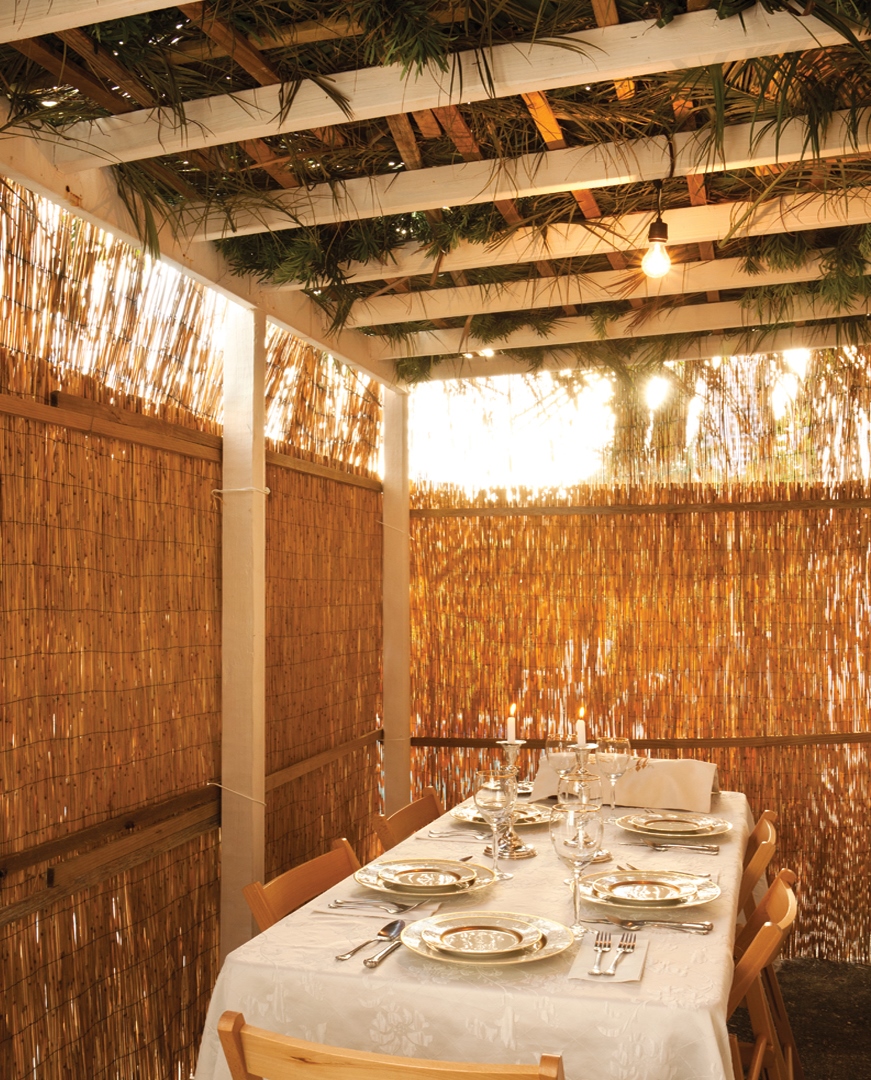
The Talmud tractate Sukkah establishes that a kosher sukkah has three walls, and a roof made of plant material only, preferably branches. The roof has to have more shade than sunlight. A later tradition says that the roof also has to have openings big enough to see stars through the branches at night. Some Jews sleep in their sukkah (in good weather). It’s more important to eat meals in the sukkah—but not when it’s pouring rain. Because Sukkot is also called Zeman Simchateinu, the Season of Our Rejoicing.
Leather or any substance from an animal is prohibited in the roof of the sukkah. But the walls can be made out of any temporary materials, as long as they are at least ten handspans (32 inches) tall, and at most 30 feet tall.1 Since a sukkah is open on one side, small living animals can wander in and out. But in the Talmud tractate Sukkah, the rabbis discuss camels and elephants in relation to a sukkah.
Camels
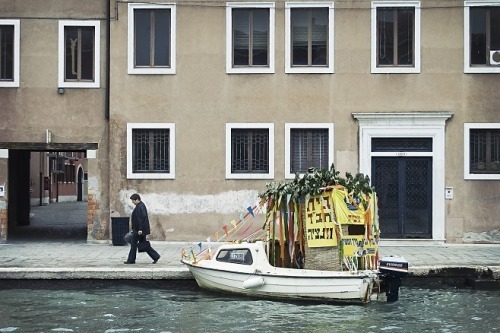
A sukkah was often built on the flat roof of a house in ancient Israel, but the Talmud says it can also be built on the deck of a ship.
If you are traveling overland, can you build your sukkah on a camel? The Talmud reports the opinions of two rabbis.
“In the case of one who establishes his sukkah atop an animal, Rabbi Meir deems it fit and Rabbi Yehuda deems it unfit. The Gemara asks: What is the rationale for the opinion of Rabbi Yehuda? The Gemara answers that it is as the verse states: “You shall prepare for yourself the festival of Sukkot for seven days” (Deuteronomy 16:13), from which Rabbi Yehuda derives: A sukkah that is suitable for seven days is called a sukkah, while a sukkah that is not suitable for seven days is not called a sukkah. It is prohibited to climb upon an animal on the first day of the festival of Sukkot, and therefore a sukkah atop an animal is unfit, as it cannot be used all seven days.
“And Rabbi Meir, who holds that the sukkah is fit, would say: By Torah law, this sukkah is also suitable for use on a Festival and on Shabbat, as there is no Torah prohibition against using an animal on those days, and it is the Sages who issued a decree prohibiting it. The fact that it is prohibited by rabbinic decree does not render the sukkah unfit.” 2
Imagine a camel with a narrow sukkah strapped to its back for seven continuous days! Camels can be trained to carry loads, but they are also cranky animals.
Elephants
The Talmud continues:
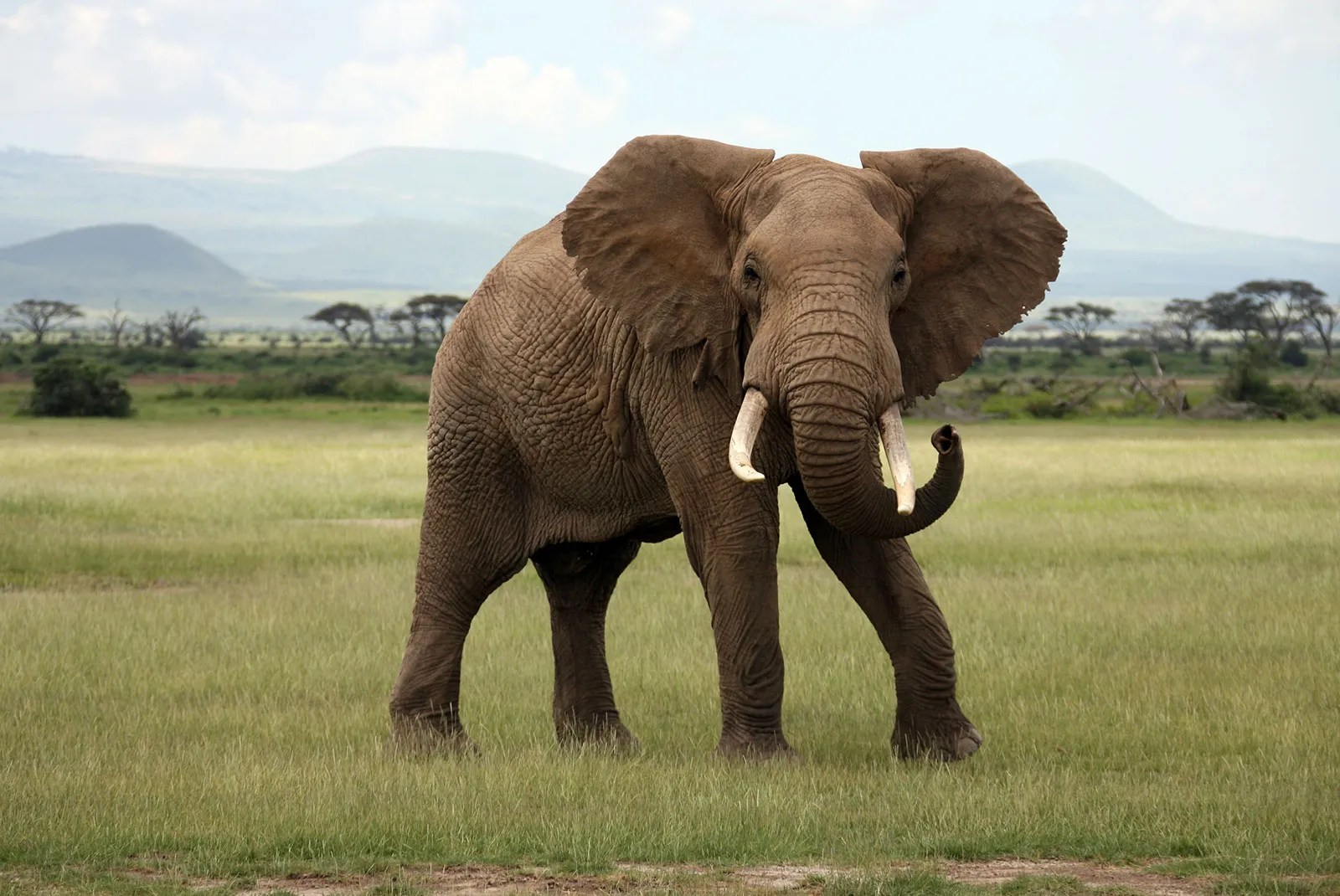
“However, if one utilized his animal as a wall for a sukkah and did not establish the entire sukkah atop the animal, Rabbi Meir deems it unfit and Rabbi Yehuda deems it fit … What is the rationale for the opinion of Rabbi Meir, who rules that an animal is unfit for use as a partition in areas of halakha where a partition is required? Abaye said: It is due to the concern lest the animal die, leaving the sukkah without a wall. Rabbi Zeira said: It is due to the concern lest it flee. The Gemara explains the practical halakhic differences between the two opinions. In the case where one established a wall with a tied elephant, everyone agrees that the sukkah is fit, as even if it dies and falls, its carcass still has a height of ten handbreadths and is fit for the wall of a sukkah.
“… In the case where one established a wall with an elephant that is not tied, everyone agrees that the sukkah is unfit lest it flee. Where they disagree is in the case of a tied animal. … The Gemara asks: But according to all opinions, isn’t there the space between its legs, which is like a breach in a wall? How can one establish a partition whose breached segment exceeds its standing segment? The Gemara answers: He establishes a partition for it by filling the gaps with hard palm leaves and laurel leaves, sealing the breach.
“… The Gemara asks further: And even though there is no concern lest the animal die, perhaps it will crouch, leaving a wall that is less than ten handbreadths? The Gemara answers: It is referring to a case where the animal is tied with ropes from above so that it cannot crouch.”3
Imagine an elephant so tame that it would suffer being tied with ropes from above as well as front and back, with hard palm leaves sticking into its belly as it stood still for seven days and nights! Even if a supply of food were kept within reach of its trunk, no elephant would put up with that level of discomfort. Before anyone had time to eat a single bite inside a sukkah with a live elephant as one wall, I am sure that elephant would charge away, dragging the sukkah behind it.
But Talmudic discourse considers even remote possibilities in order to determine whether they would be legal according to halakhah, Jewish law.
The elephant in the room
Probably the Talmudic rabbis used an elephant as an example because it is the biggest land animal on earth. That is also why, when an issue is so huge that everybody is constantly aware of it, yet nobody says anything about it, we use the English idiom “the elephant in the room”. You cannot overlook an elephant.
Is there a figurative elephant in the sukkah today?
So far, Jews in most countries can still build sukkot out in their yards, and eat under the roofs of branches to celebrate the harvest season, to remind us that our homes and our lives are impermanent, and to enjoy ourselves. But is there something too big to ignore that we are refusing to look at?
The elephant in the sukkah might be climate change, and the eventual death of many of the trees whose branches we now collect for our sukkah roofs. It might be autocratic governments that stir up hatred against minority groups, hatred that will make it unsafe to celebrate our holidays outside.
The trick is to respond realistically to the elephant, yet still take the time to make the week of Sukkot a Zeman Simchateinu, a season for rejoicing.
- 10 tefachim = ~32 inches = ~81 cm; 20 amot = ~30 feet = ~9 meters.
- Talmud Bavli, Sukkah 23a, translated by Rabbi Adin Even-Israel Steinsaltz, William Davidson Edition (digital), www.sefaria.org. (I changed the transliteration of סֻכָּה from sukka to sukkah.)
- Ibid.


